
Latest News

7 Questions to ask before investing in a laser marking system
July 2026
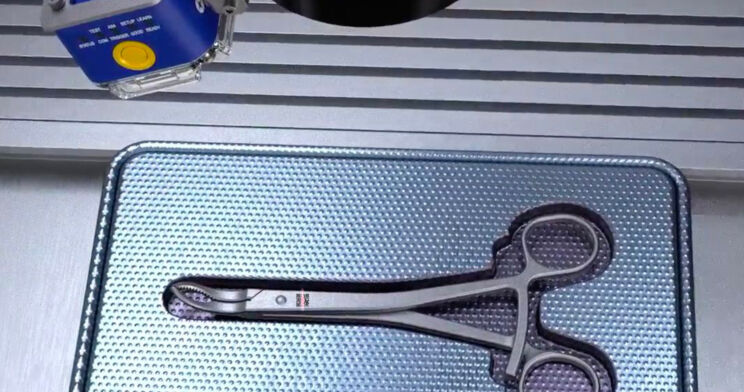
With UDI compliance becoming a global requirement, more Sterile Services Departments are evaluating laser marking systems. But not all systems are equal. In our latest blog post, laser marking specialist Chris Ogden discusses what to ask before you commit.
There’s no doubt about it pressure to mark is growing.
Hospitals across the UK and beyond are waking up to the reality of UDI legislation. In the UK, Regulation (EU) 2017/745 has outlined the direct marking of reusable devices, and many forward-thinking trusts are already getting ahead of the deadline. With potentially thousands of instruments to mark across a single hospital, the system you choose matters enormously.
But with a growing number of suppliers in the market, how do you separate the genuinely capable from the merely convincing? These seven questions will help.
1. Can we see a live demonstration?
Any reputable supplier should be willing to show you the system working in real conditions - ideally on your instruments within your own work environment. A demonstration tells you far more than a brochure. Watch for ease of setup, speed of marking, and how clearly the resulting code reads.
2. How long does it actually take to mark an instrument?
Time matters in a busy SSD. A well-configured laser marking system should be able to mark a single instrument in around 4–6 seconds. Ask for this to be demonstrated, not just quoted. Factor in how the system fits into your existing workflow - the best systems are designed to complement your processes, not disrupt them.
3. Has it been independently tested for its effect on instrument materials?
This is arguably the most important question on the list, and one that's often overlooked. Laser marking permanently alters the surface of an instrument, and the wrong laser technology can damage the corrosion resistance of stainless steel by reducing chromium oxide levels below safe thresholds.
Fiber lasers, for example, use a longer pulse that can introduce excessive heat into the instrument surface, potentially compromising the passive protective layer. Short pulse DPSS lasers, by contrast, generate high peak power with minimal heat input and have been independently verified as safe through research conducted with the University of Sheffield.
Ask your supplier for evidence, not just assurances.
4. Can it mark across all the materials you work with?
Surgical instruments aren't all stainless steel. Your department likely handles titanium instruments, plastic components, and diathermically coated devices. Your laser marking system needs to handle all of these reliably and safely.
Ask whether the supplier offers a materials library; a pre-configured database of settings for different surfaces; so your team isn't having to guess parameters for each new material they encounter. Polished, brushed, and matt stainless steel surfaces all behave differently under a laser, and the right settings matter.
5. Can it mark without adhesive labels or other contaminants?
Labels may seem like a quick fix, but they introduce real risks. Adhesive residue can harbour bacteria, interfere with sterilisation, and potentially void instrument manufacturer guarantees. Laser marking is a direct, permanent solution. No added material means no contamination risk.
Check that the system you're evaluating marks directly onto the instrument surface without adding anything. And confirm that the mark itself doesn't create crevices where debris could collect - an important infection control consideration.
6. What training and ongoing support is included?
A laser marking system is only as good as the team operating it. Ask what training is provided at installation, and whether refresher support is available as staff change. Find out what happens if the system develops a fault - is there a UK-based support team? What are typical response times?
Running costs are worth querying too. Modern systems should run off a standard 240v supply, require no consumables, and have low ongoing maintenance requirements. Get this in writing.
7. Can we speak to existing users in the SSD world?
References from other Sterile Services Departments are invaluable. A supplier who has been working with NHS trusts for a number of years should have a network of satisfied customers willing to speak to you. Ask specifically about day-to-day usability, reliability over time, and how the supplier has responded to any issues.
There's no substitute for hearing from a peer who's been using the system through hundreds of sterilisation cycles.
The bottom line
UDI laser marking doesn't need to be complicated, but it does need to be done right. The technology has matured significantly, system costs have come down, and the operational benefits are well established. Asking the right questions upfront protects your department, your instruments, and ultimately your patients.
If you'd like to see Sciamed's laser marking system in action, or want to discuss which solution is right for your department, contact a member of our team on sales@sciamed.co.uk
For more information, call
01975 564111
or email sales@sciamed.co.uk

July 2026
The Hidden Cost of Unlabelled or Mislabelled Library Assets
For collections managers, librarians and institutional procurement teams Every library has them. The…

June 2026
Why Barcode Label Quality Matters in Herbariums and Libraries
Why Barcode Label Quality Matters in Herbariums and Libraries In collections management, even the smallest…
May 2026
Instrument Marking in Healthcare: Why Traceability Is a Patient Safety Priority
As NHS Trusts move toward single instrument traceability, the marking method you choose matters more than…